The post Non-Alcoholic Beverages Adulterant Analysis appeared first on NIR-For-Food.
]]>Introduction
Non-alcoholic beverages are subject to adulteration in many different forms. Sugar-based drinks, especially fruit juice, are valuable and can be diluted with water or adulterated with cheaper sugar or saccharin. High carbohydrate foods and beverages can be difficult for adulteration detection because of similarities in carbohydrate profiles with commercial sweeteners. Dilution with sugar water and citric acid can be undetectable by standard tests. Purity assessments are important in all forms of non-alcoholic beverages. The coffee market has especially grown in recent years and there are many potential adulterants of coffee, such as corn, sticks, coffee husks, and in the case of Arabica which is the most valuable coffee bean, a cheaper variety of coffee. Current quality tests are often insufficient for proper adulterant detection as well as being expensive and time-consuming. NIR spectroscopy has been examined as a method for detection of adulterants in non-alcoholic beverages and the results of some studies are shown below.Analytes
Products: Fruit Juice, Lime Juice, Coffee Adulterants: Saccharin, Natural vs. Synthetic, CornScientific References and Statistics
Applications of FT-NIRS Combined With PLS Multivariate Methods For the Detection & Quantification of Saccharin Adulteration in Commercial Fruit Juices – Mabood, Hussain, Jabeen, Food Additives and Contaminants: Part A, 2018, Vol. 35, No. 6, 1052-1060 Detecting adulteration in foods that are high in carbohydrates can be difficult because there are a variety of commercial sweeteners that match the concentration profile of major carbohydrates. One potential method for detecting commercial sweetener adulterants in fruit juice is NIR spectroscopy and this study examined detecting and quantifying saccharin adulteration for this purpose. Six different commercial fruit juices were obtained for the study. Each sample was spiked with saccharin ranging from 0.10% to 2.00% w/v at varying intervals. The pure samples with 0% saccharin were used as well and in total, one hundred ninety-eight samples were used. Eighteen were pure juice samples and the remainder were spiked with saccharin. FT-NIR spectra were collected for all samples from 10000 cm-1 to 4000 cm-1 using a sealed cell at 0.20 mm pathlength and 2 cm-1 resolution. Various pretreatments were performed on the spectral data for model optimization. Three separate modeling algorithms were used: Principle Component Analysis (PCA) and Partial Least Squares Discriminant Analysis (PLS-DA) for classifying adulterated and non-adulterated samples and Partial Least Squares (PLS) for quantifying amount of saccharin present based on the NIR spectra and reference values for saccharin.PLS-DA Classification:
| R² = 0.979 | RMSEP= 0.067 |
PLS
| R² = 0.970 | RMSEP= 0.88% of 0% to 2% Saccharin range (w/v) |
| Principle Component Analysis (PCA) | Classification Accuracy 66% |
| Support Vector Machine (SVM) | Classification Accuracy 97% |
| Genetic Algorithm (GA) | Classification Accuracy 93% |
Coffee
Detection of Corn Adulteration in Brazilian Coffee (Coffea Arabica) by Tocopherol Profiling and Near-Infrared (NIR) Spectroscopy – Winkler-Moser, Singh, Rennick, et al., Journal of Agricultural and Food Chemistry, 2015, 63, 10662-10668 Coffee is considered a high-value commodity that is a frequent target for adulteration, as are many other food and beverage products. There is significant interest in developing and improving methods for detecting coffee adulteration and one such method that has been examined is NIR spectroscopy. Potential adulterants for coffee include corn, sticks, coffee husks, and other lower value crops. Fourteen different lots of green Arabica coffee beans from different cities and plantations in Brazil were procured for the study. All coffee samples were roasted as well as corn to be added as an adulterant. Both the coffee and corn were ground before mixing. Five different concentrations of corn adulterant were added and mixed with each sample ranging from 1% to 20% corn. In addition, the pure Arabica sample from each lot was used as well, making for a total of eighty-four samples. Samples were scanned using an NIR spectrometer from 400 nm to 2500 nm. Tocopherol content was chosen as a basis for determining the percentage of corn adulteration and reference values for tocopherol in the samples were determined using HPLC. The HPLC results and a Multiple Linear Regression (MLR) equation were used to correlate the tocopherol profile results to the percentage of corn adulteration. This correlation was then used as a reference value to correlate the NIR spectra to % corn adulteration using Partial Least Squares (PLS) analysis.
| % Corn Adulterant | R² = 0.986 | RMSEP = 1.171% |
The post Non-Alcoholic Beverages Adulterant Analysis appeared first on NIR-For-Food.
]]>The post Cola, Energy, and Tea Drinks Analysis appeared first on NIR-For-Food.
]]>Introduction
Along with coffee, cola, energy drinks, and tea are popular beverages in the market that come in a variety of flavors. One big reason why they are so popular is because of their physiological and psychoactive properties, mostly from caffeine content. In the case of cola and energy drinks, sugar or some form of artificial sweetener also provides a stimulating effect. Companies closely safeguard their recipes for manufacturing cola and energy drinks as well as their testing procedures for quality control. Tea is the second most consumed beverage in the world after coffee. It can be categorized into two types: black tea which accounts for 80% of world production and green tea which accounts for 20% of world production. Different fermentation processes produce more than three hundred types of tea worldwide. These can be classified into six main families based on the manufacturing process: full fermented black tea, non-fermented green tea, slightly fermented white tea, semi-fermented oolong tea, dark (red) tea, and post yellow tea. The main chemical constituents of tea are amino acids, polysaccharides, polyphenols, alkaloids, organic acids, volatile compounds, and proteins. Theaflavins are also an important component that contribute to the antioxidant effect in black tea. There are different quality parameters that need to be tested in these beverages, many relating to sugar, acidity, and alkaloid (such as caffeine) parameters. Current methods for testing these parameters such as HPLC are expensive, laborious, and time-consuming, especially when implemented in a process setting. There is a need for fast, cost-effective, and real-time monitoring of parameters at all stages of the cola, energy drinks, and tea manufacturing process. One such method that has been examined is NIR spectroscopy.
Analytes
- Taurine, Arginine, or Neither Energy Drink Classification
- Caffeine
- Sugar
- Amino Acids
- Theaflavins
- Water Extract
Summary of Published Papers, Articles, and Reference Materials
Measurement of chemical parameters in energy drinks and tea has been studied using NIR spectroscopy and the results of most studies have demonstrated the potential of using this method as a replacement for expensive and time-consuming wet chemistry methods. It must be noted that due to the strict guarding of recipes and quality control testing procedures by soft drink companies, there are few published studies using NIR spectroscopy to measure parameters in cola. However, many of the important quality parameters in soft drinks have been measured in other drinks. Two examples of this include Soluble Solids Content and pH. Energy drinks are manufactured in a manner similar to cola and are known for their stimulating effect which mostly comes from the high caffeine and sugar (or artificial sweetener content). One study examined classifying energy drinks based on taurine, arginine or containing neither using NIR spectroscopy as well as quantifying sugar and caffeine content. Classification results showed over a 95% correct prediction rate when classifying the three groups. Correlation was high between caffeine reference values and prediction values using validation NIR spectra. In the case of sugar, two sets of reference values were used: the Schoorl method and nominal values provided on the sample containers. Results were better using the nominal values and this likely occurred because multiple tests on the same sample using the Schoorl method showed a high standard deviation, indicating a large reference error. However, the RMSEP for the caffeine model is lower than the threshold of detection for this parameter using NIR spectroscopy and more validation work would be necessary to prove the feasibility of this model. Tea is the second highest consumed beverage in the world after water and two studies measured various parameters in tea. The first study used commercial samples of tea soft drink to measure SSC using reference values and NIR spectra. Calibration models were created using both the full wavelength range and selective wavelengths, both showing good results and proving the feasibility of the measurement. The second study used black tea powdered samples to measure various parameters important for quality control: amino acids, caffeine, theaflavins, and water extract. Four different modeling algorithms were used for the calibrations. Correlation coefficients were high and prediction results showed low error, indicating that these models can be used to measure these quality control parameters in black tea using NIR spectroscopy.
Scientific References and Statistics
Quantitative Determination and Classification of Energy Drinks Using Near-Infrared Spectroscopy – Racz, Heberger, Fodor, Analytical and Bioanalytical Chemistry, 2016, 408:6403-6411
 Energy drinks are one of the most popular functional beverages among commercially available soft drinks. They are known for high caffeine concentration and stimulating properties and are marketed based on distinctive color, flavor, and unique appearances. Energy drinks can also carry dangerous side effects due to high caffeine and sugar intake. Thus, it is important to analyze these parameters in energy drinks. There are also other components, such as taurine and arginine, which are important and are strictly regulated in some countries. Current reference methods for determining these components are time-consuming and expensive. NIR spectroscopy was examined as a method for classifying energy drinks based on either the presence of taurine, arginine, or neither as well as quantitative determination of caffeine and sugar. Ninety-one commercial energy drinks were procured for the study. Some of the drinks were mixed together to cover the examined concentration ranges for caffeine and sugar as uniformly as possible. FT-NIR spectra were scanned in transmission mode from 12500 cm-1 to 4000 cm-1. Spectral resolution was 8 cm-1 and thirty-two scans were averaged for each individual spectrum. This process was repeated three times for each sample and the three spectra were averaged to create one spectrum for each sample. Reference tests were performed on the samples for caffeine using HPLC-UV and for sugar using the Schoorl method. Principle Component Analysis (PCA) and Linear Discriminant Analysis (LDA) were applied to the spectra for classification analysis. Partial Least Squares (PLS) regression models were created using the NIR spectra and reference values for caffeine and sugar. In the case of sugar, both the HPLC-UV reference values and nominal values provided on the can were used to create regression models for sugar.
LDA Classification:
| Correct Classification for Arginine, Taurine, or Neither | 95.7% |
| Caffeine | R² = 96.63 | RMSEP= 13.4 ppm |
| Sugar (Measured Schoorl Concentration) | R² = 94.25 | RMSEP= 1.13 g/100 ml |
| Sugar (Nominal Concentration Shown on Drink Containers) | R² = 99.75 | RMSEP= 0.29 g/100 ml |
For classification, PCA was conducted first and the score values from the analysis were used as a basis for LDA. Validation results from the LDA showed over 95% correct classification of the samples. This could be an important analytical test in countries that do not allow the presence of taurine in energy drinks and replace it with either arginine or nothing at all. The caffeine PLS model showed good correlation and the RMSEP is slightly greater than 5% of the total range of caffeine values in the samples used for calibration (120 ppm to 340 ppm). In the case of sugar, the nominal reference values showed better results than the reference values obtained using the Schoorl method. This likely occurred because the Schoorl method has large bias and error, a conclusion proven by the 12.4% standard deviation when performing the analysis on duplicate samples. Despite these results, it must be noted that the RMSEP for caffeine is considered to be below the detectable threshold limit for NIR spectroscopy for this parameter. It is possible that the model is correlating indirectly to a parameter affected by a change in caffeine. An indirect correlation is acceptable for a PLS regression model, but the results need to be carefully examined and validated before using such a model in a real-time setting. Therefore, more work and study would be necessary to determine the validity of the caffeine measurement from NIR spectra made in this study.
https://link.springer.com/article/10.1007%2Fs00216-016-9757-8
Nondestructive Measurement and Fingerprint Analysis of Soluble Solid Content of Tea Soft Drink Based on VIS/NIR Spectroscopy – Li, He, Wu, Sun, Journal of Food Engineering 82 (2007) 316-323
| SSC (PLS) | R² = 0.981 | RMSEP= 0.57 °Brix |
| SSC (MLR) | R² = 0.975 | RMSEP= 0.69 °Brix |
The PLS model was created over the full range from 400 nm to 1000 nm and showed excellent correlation between the spectral data and reference SSC values. Predictions on the validation set proved the feasibility of the model. Based on statistical analysis of the latent variable inputs from the wavelengths for the calibration, five statistically significant wavelengths were selected: 490 nm, 498 nm, 554 nm, 929 nm, and 970 nm. These five wavelengths were used to create the MLR model, which showed comparable results to the PLS model. The potential of using both calibration models was demonstrated and VIS/NIR spectroscopy can be used as a method to predict SSC in tea soft drink.
https://www.sciencedirect.com/science/article/abs/pii/S0260877407001264
Prediction of Amino Acids, Caffeine, Theaflavins, and Water Extract in Black Tea Using FT-NIR Spectroscopy Coupled Algorithms – Zareef, Chen, Ouyang, Analytical Methods, Issue 25, 2018
Tea is the world’s second highest consumed beverage after water and is categorized into two types: black tea and green tea. Black tea accounts for about 80% of world tea production and green tea accounts for the other 20%. Various fermentation processes are used to produce over three hundred different types of tea worldwide. The main chemical constituents of tea are amino acids, polysaccharides, polyphenols, alkaloids, organic acids, volatile compounds, and proteins. Theaflavins are also an important component that contribute to the antioxidant effect in black tea. FT-NIR spectroscopy was examined as a method for analyzing the following four components in black tea: amino acids, caffeine, theaflavins, and water extract. Ninety-five black tea powder samples from multiple countries were procured for the study. FT-NIR spectra were collected from 10000 cm-1 to 4000 cm-1 at 3.86 cm-1 intervals. Thirty-two scans were collected and averaged into one spectrum for each data point. This process was repeated three times for each sample, with the sample cup rotated 120° two subsequent times after the first spectrum was collected. Reference values for the parameters of interest were collected using traditional methods and various pretreatments were applied to the spectral data for model optimization. Four different chemometrics algorithms were used to correlate the NIR spectra to the parameters of interest: Partial Least Squares (PLS), Synergy Interval PLS (Si-PLS), Backward Interval PLS (Bi-PLS), and Genetic Algorithm PLS (GA-PLS).
PLS
| Amino Acids | R² = 0.9396 | RMSEP= 0.219 mg/g |
| Caffeine | R² = 0.9195 | RMSEP= 0.192 mg/g |
| Theaflavins | R² = 0.9056 | RMSEP= 0.204 mg/g |
| Water Extract | R² = 0.8886 | RMSEP= 1.53 mg/g |
Si-PLS
| Amino Acids | R² = 0.9426 | RMSEP= 0.207 mg/g |
| Caffeine | R² = 0.9216 | RMSEP= 0.184 mg/g |
| Theaflavins | R² = 0.9439 | RMSEP= 0.156 mg/g |
| Water Extract | R² = 0.9192 | RMSEP= 1.27 mg/g |
Bi-PLS
| Amino Acids | R² = 0.9446 | RMSEP= 0.19 mg/g |
| Caffeine | R² = 0.9328 | RMSEP= 0.171 mg/g |
| Theaflavins | R² = 0.9454 | RMSEP= 0.154 mg/g |
| Water Extract | R² = 0.9172 | RMSEP= 1.33 mg/g |
GA-PLS
| Amino Acids | R² = 0.9506 | RMSEP= 0.197 mg/g |
| Caffeine | R² = 0.9274 | RMSEP= 0.182 mg/g |
| Theaflavins | R² = 0.9172 | RMSEP= 0.19 mg/g |
| Water Extract | R² = 0.9264 | RMSEP= 1.26 mg/g |
The PLS modeling algorithm uses the full wavelength range to correlate the spectral data. Both Si-PLS and Bi-PLS use interval selection analysis to select wavelength ranges to optimize the models. GA-PLS is also a variable selection method based on principles of natural and genetic selection of the data. Multiple runs are often necessary to achieve good results using this method. All four methods showed good results with correlation coefficients well above 0.9 for all parameters. GA-PLS showed the best results for caffeine and theaflavins while Bi-PLS showed the best results for caffeine and theaflavins. The results of this study prove the feasibility of measuring amino acids, caffeine, theaflavins, and water extract using NIR spectroscopy and calibration models.
The post Cola, Energy, and Tea Drinks Analysis appeared first on NIR-For-Food.
]]>The post Coffee Analysis appeared first on NIR-For-Food.
]]>Introduction

Coffee is one of the most heavily consumed beverages in the world. Quality is closely examined and is a key consideration in commercial trade. It is segmented based on many factors, including source type (Arabica, Robusta, and Liberica), flavored and non-flavored, product types such as whole-bean, powdered, instant, and others, and caffeinated and non-caffeinated. The principal quality parameters include moisture, blend ratio, roasting degree, and caffeine. Moisture content in green coffee beans is strictly regulated in most countries that import and export coffee as improper content can cause quality deterioration and even fungal or mycotoxin contamination that can present a danger to human health. Coffee blending is important to achieve a final product with a given flavor and aroma and this process usually occurs before roasting. Roasting initiates complex chemical changes in coffee beans that are crucial to forming the desired final product. The color of the beans is an important marker in the roasting process and is an indicator of volatile compounds that determine aroma and flavor. Caffeine is an important parameter in coffee as its physiological and psychoactive properties are a big reason why coffee is one of the most popular beverages in the world market. It is also an important compound along with similar alkaloids in determining the quality of coffee. Adulteration is considered a large problem in the food and beverage market and especially so in coffee due to its popularity as well as the range of factors that come into play when determining the desired product to fit consumer demands. Adding adulterants in coffee not only causes financial loss, it can be a threat to consumer health as well. There is a need to measure and determine these quality parameters at all stages of the coffee manufacturing process, from the initial analysis of green coffee beans all the way to determining if the final product of coffee is what is actually being labelled and marketed. Currently methods for testing these parameters such as HPLC are expensive, laborious, and time-consuming, especially when implemented in a process setting. There is a need for fast, cost-effective, and real-time monitoring of parameters at all stages of the coffee manufacturing process. One such method that has been examined is NIR spectroscopy.
Analytes
- Moisture
- Caffeine
- Theobromine
- Instant Coffee
- Plant Fat
- Sugar
- Adulterant % and Identification
- Species Classification
- Defective and Non-Defective Classification
- (Beans and Roasted & Ground Coffee)
- Sensory Properties Scores
- Weight Loss
- Density
- Antioxidant Capacity of Spent Coffee Grounds
- Antioxidant Capacity of Spent Coffee Grounds
- Ethanolic Extracts
- Total Flavonoids
- Total Phenolics
- Color
- Arabica Content (Blend Ratio)
- % Corn Adulterant
Summary of Published Papers, Articles, and Reference Materials
 Measurement of chemical parameters in coffee has been studied using NIR spectroscopy and the results of most studies have demonstrated the potential of using NIR as a replacement for expensive and time-consuming wet chemistry methods. A comprehensive review paper is presented discussing various studies and applications for using NIR spectroscopy as a quality control tool for coffee. Topics include prediction of coffee composition, authentication, sample classification, defective and non-defective sample discrimination, sensory properties, roasting degree, and coffee residue analysis. The first step in coffee manufacturing is to ensure the quality of the green coffee beans before roasting and moisture is considered a crucial component in coffee beans. One study examined the feasibility of measuring moisture in green coffee beans with the best results coming from a model using a selective wavelength algorithm to determine the best wavelength ranges for correlating the spectral data with moisture. Species and origin of coffee are of vital importance as well, especially when comparing the higher quality and more expensive Arabica species to the Robusta species. Roasting color is important as well because it is directly related to the sensory properties of the final coffee product and one study examined simultaneously measuring color and blend ratio in roasted coffee. Results were considered good for an initial study, but more data and calibration work would be necessary to apply the models for quality control purposes in an on-line setting. Another study examined the effect of roasting degree on classifying Arabica and Robusta coffee samples, showing excellent results. Caffeine content is not only directly related to coffee quality, but its physiological and psychoactive properties are a big reason why coffee is one of the most popular beverages in the world market. One study examined determining not only caffeine in ground coffee, but two other significant alkaloids as well: theobromine and theophylline. Decent correlation was obtained for caffeine and theobromine, but the detection limit for the concentration of theophylline was below the detectable level of measurement for NIR spectroscopy. Another study used NIR spectra of Arabica coffee samples, reference values for caffeine, and various data pre-treatments and selective wavelength algorithms to optimize regression models for determining caffeine. Results were greatly improved using the best pre-treatment and selective wavelength algorithm, proving the feasibility of using this model to determine caffeine content in Arabica coffee. Adulteration is a huge problem in the food and beverage industry and coffee is no exception to this problem. One study examined determining the percentage of corn adulterant in Brazilian coffee samples by correlating the tocopherol profile to the percentage of corn present in the samples and then creating a regression model from the NIR spectra. Results were excellent and provide a basis for further study that would encompass using different species of coffee and various other adulterants.
Scientific References and Statistics
Application of Infrared Spectral Techniques on Quality and Compositional Attributes of Coffee: An Overview – Barbin, Felicio, Sun, et al., Food Research International 61 (2014) 23-32
This review of infrared spectral analyses and applications in the coffee industry discusses studies which reveal the potential in using these techniques to obtain information about the chemical composition and related properties of coffee. Infrared analysis not only has the ability to quantify and characterize coffee quality attributes from moisture, lipids, caffeine, quality grading, sensory properties, and other important constituents, it can do so in a rapid manner with little sample preparation and while measuring multiple constituents simultaneously. Potential benefits of widespread development of such analysis are discussed as well as the latest research and developments. Below is a breakdown of quality parameters and analysis from the research discussed in the review.
Prediction of Coffee Composition
Several studies have investigated the potential of using spectral applications to measure physical, chemical, and quality parameters of coffee. Moisture content is an important parameter in green coffee beans and raw coffee. Water above 12.5% in coffee beans causes a number of undesirable consequences, such as mycotoxin formation, microbial growth, altered sensory quality, and unstable production conditions. One study examined determining moisture in raw coffee with results acceptable enough for screening purposes.
| Moisture | R² = 0.818 | RMSEP = 0.298 g/100 g |
Caffeine is a very important component in coffee and has been studied in several investigations. Ground Arabica samples at varying roasted levels were analyzed by NIR spectroscopy using spectral data, HPLC reference values for caffeine, and various data treatments and chemometric methods. The best model proved the feasibility of using at-line application to determine caffeine content in unknown roasted coffee samples. Another study measured roasted coffee for multiple alkaloids in both Arabica and Robusta liquid coffee samples after discrimination of the green coffee beans to classify the samples. Liquid Chromatography and Mass Spectrometer reference values were used to correlate the NIR spectra with caffeine, theobromine, and theophylline. Good correlation and prediction values were found for caffeine and theobromine, but the detection limit for theophylline was too low for the NIR calibration model to be acceptable for real use. Another study used diffuse reflectance NIR spectra of liquid coffee beverages as predictors for the three main ingredients in liquid coffee: instant coffee, plant fat, and sugar. Excellent correlation was obtained for all three parameters, proving that NIR spectroscopy can be used to determine these ingredients in liquid coffee.
| Caffeine (Arabica) | R² = Unknown | RMSEP= 0.378 mg/g |
| Caffeine (Arabica & Robusta) | R² = 0.86 | RMSEP= 0.07 mg/g |
| Theobromine (Arabica & Robusta) | R² = 0.85 | RMSEP= 0.10 mg/g |
| Instant Coffee | R² = 0.9897 | RMSEP= 2.12 mg/g |
| Plant Fat | R² = 0.9994 | RMSEP= 0.72 mg/g |
| Sugar | R² = 0.9918 | RMSEP= 2.01 mg/g |
Authentication
Food authentication has become a major issue in recent years and the growth of the coffee market has made coffee a target for many different types of adulteration. Adulteration in coffee can take on multiple forms. A substance that is not coffee at all can be mixed in, such as chicory, malt, figs, cereals, caramel, starch, maltodextrins, or glucose. Coffee is often marketed as being distinct to a particular region and misrepresenting the origin of a coffee product is another form of adulteration. The Arabica coffee bean is considered superior to the Robusta bean and labeling a lower quality coffee product as a higher quality species or blend is also considered adulteration. Spectroscopic techniques have been studied as methods for identifying adulteration in coffee. One study used nine commercial roasted and ground coffee samples to identify differences in the NIR spectra as a basis for classification. Barley samples were then blended into the coffee at a range of 2% to 20% weight per weight of coffee to examine the feasibility of identifying barley adulterant in commercial coffee. Low prediction errors were obtained and the results show promise for future applications to identify and quantify adulterants in coffee. Another study used diffuse reflectance spectra of instant coffee samples and samples with various adulterants added, such as glucose, starch, and chicory. Various classification techniques were applied and an artificial neural network (ANN) model was able to classify adulterated and non-adulterated samples with a 100% success rate.
| Identifying Adulterated Samples (Instant Coffee) | 100% Correct Classification |
Classification of Samples According to Coffee Variety and Quality Features
In general, the Arabica coffee bean is considered superior to Robusta and is the more expensive and higher quality of the two beans. NIR spectroscopy has been examined in various studies as a method for discriminating and characterizing these two blends with relative success. A few studies have examined lyophilized and vacuum-dried samples for discrimination analysis. Notable spectral differences were discovered in the caffeine absorbing areas of the NIR spectrum, implying that there is a difference in caffeine between Arabica and Robusta that could be used to as a basis to classify the two blends. Classification rates were good enough to use this analysis for screening purposes. Another study used NIR spectra of various blends and Partial Least Squares (PLS) analysis to predict Robusta content, showing accurate results but as a limited study, more data encompassing the natural variety that exists in coffee (e.g. geographical origin, roasting degree) would be necessary to use this model in a practical setting. Another form of classification analysis that has been examined is classifying roasted coffee grain samples from different lots and producers in a given region using NIR spectra. One such study conducted in Brazil showed that NIR spectroscopy can be a useful tool in differentiating roasted coffee grains.
Classifying Arabica and Robusta Dried Beverage:
| Lyophilized | 87% |
| Vacuum-Dried | 95% |
Discrimination Between Defective and Non-Defective Samples
Assessing bean quality in coffee is based on discovering the relative amount of defective beans among non-defective ones. One methodology that has been studied to implement such a quality assessment using NIR spectroscopy compared two Arabica varieties and two Robusta varieties, all from different geographical regions, to determine the presence of defective beans in a batch. A Partial Least Squares (PLS) regression model relating the NIR spectra to the mass fraction of defective and non-defective beans showed correlation good enough for screening purposes. Likewise, Principal Component Analysis (PCA) was applied to spectra of roasted and ground coffee of four different groups (non-defective, black, dark sour, and light sour) to determine the feasibility of separating defective samples (both sour groups) from spectral data. Accuracy of the classification ranged from 95% to 100% depending on the particular model. A similar study used both PCA and cluster analysis to analyze the spectra, enabling separation into two distinct groups: non-defective/light sour and black/dark sour, indicating that the samples considered defective (black, immature, and dark sour) could be separated using spectral data.
| Prediction Error for Non-Defective/Defective Beans (2 Arabica and 2 Robusta varieties): | 5% |
| Classification Accuracy for Discriminating Defective and Non-Defective Roasted and Ground Coffee: | 95% to 100% (Depending on the exact classification grouping and model used) |
Prediction of Sensory Properties
Studies have been conducted to establish a relationship between sensory attributes of coffee, the chemical components of the coffee beans, and NIR spectra. Coffee beverage of roasted Arabica samples and NIR spectra were analyzed using chemometrics to establish a correlation between acidity, bitterness, flavor, cleanliness, body, and overall quality scores. Selective wavelength algorithms determined the relevant wavelength regions for each model. Good correlation was obtained for all models and confirmed the relationship between the chemical composition of the roasted grains and sensory properties is directly related to the NIR spectra of pure caffeine, trigonelline, 5-caffeeoylquinic acid, cellulose, coffee lipids, sucrose, and casein. All these components are related to the different sensory characteristics that were modelled. A similar study was conducted for espresso quality assurance using scores for perceived acidity, mouthfeel (body), bitterness, and aftertaste. Results of calibration models were comparable to evaluations provided by a trained sensory panel, proving the feasibility of using such calibrations as an evaluation tool for coffee sensory properties.
Degree of Roasting
Roasting color and quality parameters are attributes that have been studied using NIR spectroscopy with good results. One such study used spectral data to discriminate between medium and dark roasted commercial coffee samples, both caffeinated and decaffeinated. An external validation set was correctly predicted at a 100% rate. Chemometric analysis showed the wavelengths used for the model and predictions are related to caffeine and moisture, as decaffeinated coffee is known to have a higher moisture content. The relationship between coffee roasting variables like weight loss, density, and moisture and NIR spectra of green (raw) and coffee samples roasted at different levels was investigated in another study in order to predict roasting degree. Robust models were obtained with high correlation coefficients and prediction results were comparable to the reference analyses, proving the feasibility of this application as a tool for on-line analysis of the roasting process. A similar study focused on espresso and roasted coffee correlating NIR spectra to total acidity, caffeine content, chlorogenic acids, and roasted bean color. The regression models showed results good enough to be used for prediction of the listed quality parameters.
| Weight Loss, Density, Moisture | R² = 0.92 to 0.98 for all parameters |
Coffee Residues
Spent coffee grounds contain high levels of bioactive compounds, including flavonoids that have antioxidant properties. One study correlated NIR spectra to antioxidant capacity, total phenolics, and total flavonoids in spent coffee grounds samples. Partial Least Squares (PLS) regression modeling was used to correlate the spectral data to these parameters and results were excellent, with all parameters having a correlation coefficient well above 0.90. Another study used similar methods to measure various lignin components in coffee and banana residues. Correlation was lower than in the previously discussed study but the results did show potential for using NIR spectroscopy to measure these components in both coffee and banana residues.
| Antioxidant Capacity of Spent Coffee Grounds | R² = 0.93 |
| Antioxidant Capacity of Spent Coffee Grounds Ethanolic Extracts | R² = 0.96 |
| Total Flavonoids | R² = 0.95 |
| Total Phenolics | R² = 0.95 |
While conducted mostly on a laboratory scale, the studies documented in this review demonstrate the ability to use NIR spectroscopy for analysis of raw materials, intermediates, finished products, and as a process control tool in coffee. Increased demand for product control of coffee as well as many other liquid foods will require advanced analytical tools and NIR spectroscopy is a proven method for both on-line and at-line monitoring of coffee.
The development of new sensors has facilitated the implementation of NIR spectroscopy as a tool for monitoring the coffee process with successful results.
Rapid Prediction of Moisture Content in Intact Green Coffee Beans Using Near-Infrared Spectroscopy – Adnan, von Horsten, Pawelzik, Morlein, Foods 2017, 6, 38
Moisture is a very important quality parameter in green coffee beans and is strictly regulated by most countries that import and export coffee. The safe range for moisture is from 8% to 12.5% based on fresh matter. Moisture below 8% causes shrunken beans and an unwanted appearance. Moisture above 12.5% facilitates fungal and mycotoxin growth as well as the potential for problems during storage and the roasting process. NIR spectroscopy was examined as a method for measuring moisture content in both Arabica and Robusta green coffee beans. Twelve sets of samples were used for the study: Three Arabica species and four Robusta species of different origins for the calibration set and two Arabica species and three Robusta species of different origins for the validation set. NIR diffuse reflectance spectra were collected from all samples from 1000 nm to 2500 nm at 2 nm intervals. Each individual spectrum consisted of the average of 64 scans. Three replicates were acquired for each sample and these spectra were averaged as well, resulting in 108 total spectra of the 12 different samples. Reference values were obtained for moisture and these were used with the NIR spectra to create Partial Least Squares (PLS) calibration models for moisture content.
| Moisture (Full Wavelength Range) | R² = 0.9850 | RMSEP= 0.57% |
| Moisture (Selective Wavelengths) | R² = 0.9743 | RMSEP= 0.77% |
Two sets of PLS calibration models were created: one using the full wavelength range and the other using seven selective wavelengths that were chosen based on the correlation of the full range model. Some of these are moisture absorbing areas of the NIR spectrum and others correlate to organic compounds affected by a change in moisture: 1155 nm, 1212 nm, 1340 nm, 1409 nm, 1724 nm, 1908 nm, and 2249 nm. Prediction results on the validation set using both models proved the feasibility of the measurement. Results were comparable for both models and either could be applied in an on-line setting to determine moisture in green coffee beans.
Simultaneous Determination by NIR Spectroscopy of the Roasting Degree and Arabica/Robusta Ratio in Roasted and Ground Coffee – Bertone, Venturello, Giraudo, et. Al, Food Control 59 (2016) 683-689
The roasting color of coffee beans and the varietal composition of blends are two crucial factors in sensory properties of brewed coffee. Color is a critical control parameter and is used to verify the performance of the roasting, as there is a direct relationship between color and the desired sensory characteristics of the final product. Blend composition is important because in general, the Arabica species shows better sensory characteristics than the Robusta species, resulting in a marked difference in the market price of the two species. NIR spectroscopy was examined as a method for simultaneously determining both of these important parameters in blended roasted and ground coffee. 130 commercial blends of roasted and ground coffee belonging to both Arabica and Robusta species were used for the study. The samples were of varying worldwide geographical origin and all harvested in the same season. They showed ten different levels of Arabica content ranging from 0% to 100% w/w. One hundred samples were used for the calibration set and thirty were used for a validation set. After roasting and milling, the samples were scanned using an FT-NIR spectrometer from 12500 cm-1 to 3500 cm-1. Spectral resolution was 16 cm-1 and 64 scans were averaged for each individual spectrum. Reference tests were conducted to determine color values and these were used along with the blend ratio values and NIR spectra to create Partial Least Squares (PLS) calibration models.
| Color | R² = 0.87 | RMSEP= 1.28 A.U. |
| Arabica Content | R² = 0.97 | RMSEP= 4.34% w/w |
The results obtained here are considered good enough to use this method as a quality control tool and for fraud identification, but a larger data set and more accurate prediction values would be necessary for application in an industrial setting. A wider data set incorporating more varieties of the two blends as well blends that are individually mixed to create more data points should improve model performance. It is also important to consider the variability between annual blends of coffee and incorporate multiple harvests into the calibration models before implementing such an application in an industrial setting.
Characterization of the Effects of Different Roasting Conditions on Coffee Samples of Different Geographical Origins by HPLC-DAD, NIR, and Chemometrics – De Luca, De Filippis, Bucci, et al., Microchemical Journal 129 (2016) 348-361
The effect of roasting conditions on both the NIR and HPLC profiles of coffee samples was evaluated using various classification algorithms to determine if the roasting degree had a marked effect on determining whether the samples were of Arabica or Robusta origin. Thirty-six samples of green coffee beans (twenty-three Arabica and thirteen Robusta) of different geographical origins were used for the study. Six were analyzed by HPLC while thirty were used for NIR spectroscopic analysis. Each sample was roasted in the laboratory under different conditions trying to reproduce the industrial roasting process. For each sample, NIR spectra were collected at the following roasting times: 0 minutes (green), twenty-five minutes, fifty minutes, and seventy-five minutes. Scan parameters were from 10000 cm-1 to 4000 cm-1 at a nominal resolution of 4 cm-1 and eighty-two scans per average. After data collection, both Partial Least Squares-Discriminant Analysis (PLS-DA) and Soft Independent Modeling of Class Analogies (SIMCA) classification algorithms were used to build models for determining the varietal origin of the coffee beans.
PLS-DA
| Arabica Classification | 100% |
| Robusta Classification | 95% |
SIMCA Specificity:
| Arabica Classification | 96% |
| Robusta Classification | 96% |
The results shown above prove that NIR spectra can be used to classify the species of coffee irrespective of the roasting degree at an accuracy level of 95% or higher. Similar analysis was conducted using the HPLC fingerprints of those samples and results were comparable. The NIR approach allows for authenticating the species of coffee beans with a rapid, low-cost, non-invasive technique and could be implemented as an application for the quality control of coffee beans at all levels of the roasting and manufacturing process.
Analysis of Caffeine, Theobromine, and Theophylline in Coffee by Near Infrared Spectroscopy (NIRS) Compared to High-Performance Liquid Chromatography (HPLC) Coupled to Mass Spectrometry – Huck, Guggenbichler, Bonn, Analytica Chimica Acta 538 (2005) 195-203
NIR spectroscopy was examined as a method for quantifying the three main alkaloids found in coffee: caffeine, theobromine, and theophylline. Eighty-three samples of roasted Arabica and Robusta coffee from different geographical origins were provided for the study and ground before NIR spectra collection. Scan parameters were from 9996 cm-1 to 4500 cm-1 using 12 cm-1 resolution and ten scans per average. Three separate spectra were collected for each sample for a total of two hundred forty-nine spectra. A portion of each sample was used for HPLC analysis to determine the reference values for caffeine, theobromine, and theophylline. Two separate LC analyses were performed: LC-UV (Liquid Chromatography – UV Detection) and LC-ESI-MS (Liquid Chromatography – Electrospray Ionisation Quadrupole Ion Trap Mass Spectrometry). LC-UV was chosen as the reference method for regression models using the NIR spectra to correlate to the three alkaloids of interest.
| Caffeine | R² = 0.86 | Range = 0.95-4.13 g/100 g | RMSEP= 0.40 g/100 g |
| Theobromine | R² = 0.85 | Range = 0.10-0.67 g/100 g | RMSEP= 0.10 g/100 g |
| Theophylline | Concentration below the limit detectable by NIR |
Calibration models for caffeine and theobromine showed correlation and prediction results comparable to the LC-UV reference method that can be considered suitable for screening purposes. In the case of theophylline, the lower limit of detection (LOC) for LC-UV is 0.244-0.60 ng/100 g while the LOD for the NIR method is 0.05 g/100 g, making the analysis of theophylline using NIR spectra impossible. However, the results for the other two alkaloids provide a potential alternative to the more expensive and time-consuming GC method.
Improvement of Near Infrared Spectroscopic (NIRS) Analysis of Caffeine in Roasted Arabica Coffee by Variable Selection Method of Stability Competitive Adaptive Reweighted Sampling (SCARS) – Zhang, Li, Yin, et al., Spectrochimica Acta Part A: Molecular and Biomolecular Spectroscopy 114 (2013) 350-356
NIR spectroscopy was examined as a method for quantitatively determining caffeine content in roasted samples of Arabica coffee. Seventy-two ground coffee samples were procured for the study. NIR spectra were collected from 10000 cm-1 to 4000 cm-1 using 8 cm-1 spectral resolution and thirty-two scans averaged per spectrum. This process was repeated three times for each sample with changing position in the sample holder for each run and all three spectra were then averaged to create one spectral data point. Likewise, the entire process was repeated for each sample, making a total of one hundred forty-four spectra that were used in the study. Sixty-two samples (one hundred twenty-four spectra) were used for the calibration set and ten samples (twenty spectra) were used for the validation set. HPLC-UV analysis was used to determine reference values for caffeine. Various data pre-treatments and selective wavelength analysis were performed on the NIR spectra in order to determine the best data set for Partial Least Squares (PLS) regression analysis.
Stability Competitive Adaptive Reweighted Sampling (SCARS) – PLS Model:
| Caffeine | R² = 0.918 | RMSEP= 0.375 mg/g |
Multiple PLS models were created and the best results came using the SCARS selective wavelength algorithm with a second derivative pre-treatment of the NIR spectra. Eighty-three total wavelengths were chosen for the caffeine correlation. All were concentrated in the following four regions: 4196 cm-1– 4018 cm-1, 5046 cm-1– 4412 cm-1, 6105 cm-1-5577 cm-1, 7706 cm-1– 6784 cm-1. These are all areas where the NIR spectrum of pure caffeine show distinct absorption peaks, indicating that the SCARS algorithm is choosing wavelengths which are in fact relevant to changes in the caffeine content. Validation set predictions confirmed the feasibility of the model as a method to quantitatively determine caffeine content in Arabica coffee.
Detection of Corn Adulteration in Brazilian Coffee (Coffea Arabica) by Tocopherol Profiling and Near-Infrared (NIR) Spectroscopy – Winkler-Moser, Singh, Rennick, et al., Journal of Agricultural and Food Chemistry, 2015, 63, 10662-10668
Coffee is considered a high-value commodity that is a frequent target for adulteration, as are many other food and beverage products. There is significant interest in developing and improving methods for detecting coffee adulteration and one such method that has been examined is NIR spectroscopy. Potential adulterants for coffee include corn, sticks, coffee husks, and other lower value crops. Fourteen different lots of green Arabica coffee beans from different cities and plantations in Brazil were procured for the study. All coffee samples were roasted as well as corn to be added as an adulterant. Both the coffee and corn were ground before mixing. Five different concentrations of corn adulterant were added and mixed with each sample ranging from 1% to 20% corn. In addition, the pure Arabica sample from each lot was used as well, making for a total of eighty-four samples. Samples were scanned using an NIR spectrometer from 400 nm to 2500 nm. Tocopherol content was chosen as a basis for determining the percentage of corn adulteration and reference values for tocopherol in the samples were determined using HPLC. The HPLC results and a Multiple Linear Regression (MLR) equation were used to correlate the tocopherol profile results to the percentage of corn adulteration. This correlation was then used as reference value to correlate the NIR spectra to % corn adulteration using Partial Least Squares (PLS) analysis.
| % Corn Adulterant | R² = 0.986 | RMSEP = 1.171% |
 Results of the calibration model showed good correlation and prediction values proved the feasibility of the model. Both the NIR and HPLC methods showed comparable results with about a 5% sensitivity, proving the potential of NIR spectroscopy as a fast, simple, and reliable method for detecting corn adulterant in ground coffee. The suggested next step is further studies incorporating different species of coffee with other kinds of adulterants to test the feasibility of a universal model for adulteration. Such a model would have to be continuously updated with new data as different types of adulterants are emerging all the time in the world food and beverage market.
The post Coffee Analysis appeared first on NIR-For-Food.
]]>The post Fruit Juices Analysis appeared first on NIR-For-Food.
]]>The post Fruit Juices Analysis appeared first on NIR-For-Food.
]]>The post Cola, Energy, and Tea Drinks Overview appeared first on NIR-For-Food.
]]>The carbonated soft drink has emerged as the most prominent product segment within the non-alcoholic beverage industry. While the growth of this segment is not expected to match other segments in coming years due to different factors (most prominent being an increase in health consciousness of consumers), it still represents over one-third of the global demand in the non-alcoholic beverage market. Soft drinks consist primarily of carbonated water, sugar, and flavorings. The market is very competitive and manufacturers are quick to respond to consumer preferences and demand, as has been shown over the years by the advent of diet colas, caffeine-free drinks, low-sodium drinks, and preservative-free beverages. Brand name companies often keep their formulas and required manufacturing procedures a closely guarded secret. Carbonated water makes up to 94% of a soft drink. It adds sparkle and bites as well as acting as a mild preservative. Carbon dioxide is an ideally suited gas for soft drinks because it is inert, non-toxic, less expensive than other gases, and easy to liquefy. Sugar (or artificial sweetener) is the second main ingredient and makes up 7 to 12% of a soft drink. Sugar can be added in dry or liquid form. It adds sweetness and body to the beverage as well as balancing flavor and acids. The overall flavor of a soft drink depends on a balance of sweetness, tartness, and acidity. Citric acid is the most common acid in soft drinks and has a lemon flavor. Acids add a sharpness to the background taste and stimulate saliva flow, as well as acting as a mild preservative. Other additives add taste, aroma, and enhanced appearance to soft drinks.
Soft Drink Manufacturing
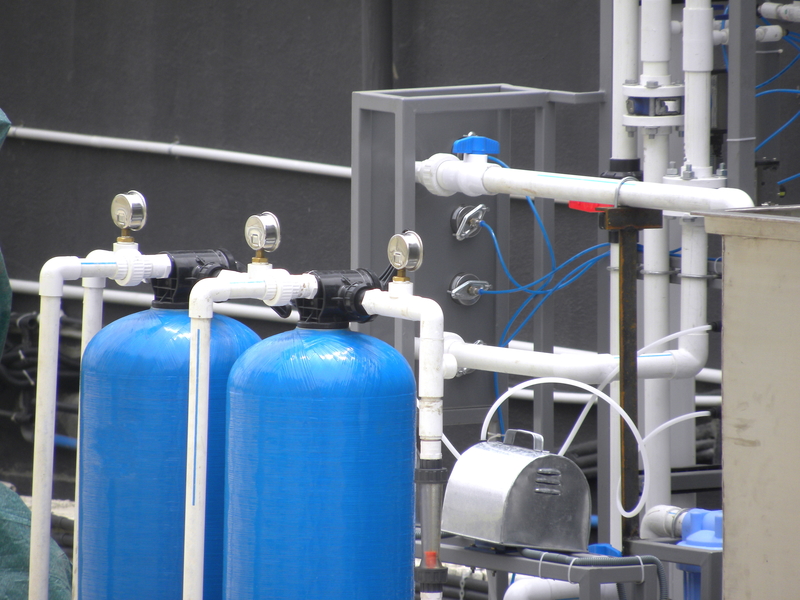
Removing impurities from the water is the first step in soft drink manufacturing. Suspended particles, organic matter, and bacteria can degrade taste and color. Impurities are removed by a traditional process of coagulation, filtration, and chlorination. Alkalinity is adjusted by adding lime to reach the desired pH level. Dissolved sugar and flavor concentrates are pumped into pressurized batch tanks and carefully mixed to prevent unwanted aeration. Syrup can be sterilized while in the tanks and fruit-based syrups are almost always sterilized. Machines called proportioners carefully regulate the flow rates and ratios of the liquids.
In most cases, carbonation occurs after the finished product is made. Temperature is carefully controlled because carbon dioxide solubility increases as temperature decreases. The amount of pressure and carbonation varies by the individual drink. The finished carbonated product is then transferred into bottles or cans and sealed immediately. Containers are brought to room temperature before labeling and then packed for shipping.
Tea

Tea is the world’s second-highest consumed beverage after water and is categorized into two types: black tea and green tea. Black tea accounts for about 80% of world tea production and green tea accounts for the other 20%. Various fermentation processes are used to produce over three hundred different types of tea worldwide. It has a similar appeal to the consumer as coffee for its physiological and psychoactive properties. Some important quality control parameters in both powder tea and tea soft drink, such as Soluble Solids Content, amino acids, caffeine, theaflavins (an antioxidant indicator), and water extract have been successfully analyzed using NIR spectroscopy.
Conclusion
As is the case with fruit juices, sugar and acidity are the two most important components in soft drinks and NIR spectroscopy has been examined as a potential tool to replace traditional time-consuming and expensive methods. There are strict quality regulations for all ingredients used to manufacture soft drinks. Clean water, raw material inspection, and sanitary conditions are essential for avoiding bacterial and other forms of contamination. Low-quality sugar can create particles in the beverage and spoil it. It is vital to monitor sugar and acidity in soft drinks to ensure a product that meets quality control standards and will not spoil. Most soft drinks have a shelf life of at least a year if stored under proper conditions. Because soft drink manufacturers not only closely guard their recipes but also their testing procedures, there is little-published documentation on measuring parameters of interest in soft drinks. However, it is known that Soluble Solids Content and pH are measurable constituents using NIR spectroscopy and these are two of the most important quality parameters in soft drinks. Other potential applications include glucose, sucrose, and fructose measurements in syrup and citric acid. Studies are measuring these parameters in many types of fruit juice (especially orange juice) and with proper calibration work, they should be measurable in soft drinks as well. While less studied using NIR spectroscopy because they are newer to the market, the manufacturing process for energy drinks is similar to cola. As with cola, Soluble Solids Content and pH are important quality parameters in energy drinks and have been successfully measured using NIR spectroscopy. Advancements in application development and online analysis continue to move forward to realize the potential of NIR spectroscopy as a method for real-time, online implementation as a process control tool.
References
Quality Analysis, Classification, and Authentication of Liquid Foods by Near-Infrared Spectroscopy: A Review of Recent Research Developments – Wang, Sun, Pu, and Cheng, Critical Reviews in Science and Nutrition, 2017, Vol. 57, No. 7, 1524-1538
https://www.tandfonline.com/doi/pdf/10.1080/10408398.2015.1115954
Quantitative Determination and Classification of Energy Drinks Using Near-Infrared Spectroscopy – Racz, Heberger, Fodor, Analytical and Bioanalytical Chemistry, 2016, 408:6403-6411
https://link.springer.com/article/10.1007%2Fs00216-016-9757-8
Prediction of Amino Acids, Caffeine, Theaflavins, and Water Extract in Black Tea Using FT-NIR Spectroscopy Coupled Algorithms – Zareef, Chen, Ouyang, Analytical Methods, Issue 25, 2018
https://pubs.rsc.org/en/content/articlelanding/2018/ay/c8ay00731d#!divAbstract
Commercial Reference
The post Cola, Energy, and Tea Drinks Overview appeared first on NIR-For-Food.
]]>The post Fruit Juices Overview appeared first on NIR-For-Food.
]]>Fruit juice is made from a wide variety of fruits, including oranges, apples, grapes, cranberries, grapefruits, tomatoes, bayberries, and pineapples. In the United States, the term “fruit juice” can only be legally used to describe a product which is 100% fruit juice. A blend of fruit juice with other ingredients is referred to as a “juice cocktail” or “juice drink.” Sugar is an important constituent of any fruit juice and while labels may say “No Added Sugar,” the product may contain large amounts of naturally occurring sugars, and this must be noted on the product label with other carbohydrates. Beverages listed as 100% juice may also contain unlisted additives. The suffix “ade” refers to dilution with water and sugar if fruit juice is too sour, rich, or acidic to consume. Examples of this include lemonade and limeade.
Fruit Juice Manufacturing

The first step in making fruit juice is to wash and sort the food source. It is prepared by mechanically squeezing or macerating the fruit without the application of heat or solvents. This process can be referred to as “cold-pressed.” There are typically two automated methods that are used for this process. One method uses two metal cups with sharp metal tubes on the bottom cup that come together, which removes the peel of the fruit and forces the flesh through the metal tube. There are small holes in the tube that allow the juice to escape and be collected. The other method requires fruits to be cut in half and the juice is extracted using reamers. Most juices are filtered after extraction to remove fiber or pulp. One notable exception is orange juice, which is sold pulp-free as well as with various levels of pulp. After filtration, juices can be concentrated in evaporators if desired. Concentrated juices are heated under a vacuum to remove water and then cooled to around 13°C, removing around two-thirds of the water in the process. Concentrated juice is easier to transport and has an increased shelf life. It may be reconstituted with water or sold directly in the concentrated state. Pasteurization is used to inactivate enzymes and destroy any spoilage microbes. This normally consists of a continuous system that has a heating zone, hold tube, and cooling zone, after which the juice is packaged. High intensity pulsed electric fields have emerged as an alternative to traditional pasteurization, and this method maintains better quality while performing the same tasks required for pasteurization.
Conclusion
There are many important constituents to measure in fruit juice, and NIR spectroscopy has been examined as a potential tool to replace traditional time-consuming and expensive methods. Sugar and acidity measurements are the most important constituents and are strictly regulated in marketed juices. Sugars such as glucose, fructose, and sucrose are essential quality control parameters in fruit juices. Soluble Solids Content (SSC, expressed as °Brix) is one of the primary characteristics used to determine the sweetness of fresh and processed fruit products. Titratable Acidity (TA) is related to the organic acid contents. It is a measurement of color stability and the shelf life of fruit and its processed products. These sugar and acidity constituents have all been studied using NIR spectroscopy as an analytical tool with excellent results. In the case of glucose, sucrose, and fructose, calibration models created from stock standards were able to measure the concentration of these sugars in both apple and orange juice.
NIR spectroscopy can provide an online method for real-time process control of these parameters as well as monitor for adulteration and contamination. As is the case with all food products, adulteration is a major problem for fruit processed products. Adulteration can take on many forms including the addition of cheaper quality juice or artificial sweeteners. NIR spectroscopy has been examined for juice discrimination as well for adulteration using saccharin with excellent results. This type of analysis also shows the potential for analyzing blend profiles in fruit juices. Proper storage of fruit juice is important as well because improper storage leads to oxidation, producing undesired physiochemical changes. Such changes directly affect both pH and SSC and NIR spectroscopy has shown the potential to monitor stored fruit juice for quality by monitoring these parameters. NIR spectroscopy can be used to monitor parameters of interest in fruit juice and has the potential to replace traditional methods. Although more work and study are required, it is a potential replacement for both laboratory and online traditional quality control methods in the fruit juice industry. Advancements in application development and online analysis continue to move forward to realize the potential of NIR spectroscopy as a method for real-time, online implementation as a process control tool.
References
Quality Analysis, Classification, and Authentication of Liquid Foods by Near-Infrared Spectroscopy: A Review of Recent Research Developments – Wang, Sun, Pu, and Cheng, Critical Reviews in Science and Nutrition, 2017, Vol. 57, No. 7, 1524-1538
https://www.tandfonline.com/doi/pdf/10.1080/10408398.2015.1115954
Rapid Analysis of Sugars in Fruit Juices by FT-NIR Spectroscopy – Rodriguez-Saona, Fry, McLaughlin, Calvey, Carbohydrate Research 336 (2001) 63-74 https://www.sciencedirect.com/science/article/abs/pii/S0008621501002440
Measurement of Soluble Solids Contents and pH in Orange Juice Using Chemometrics and Vis-NIRS – Cen, He, Huang, Journal of Agricultural and Food Chemistry, 2006, 54, 7437-7443
https://pubs.acs.org/doi/abs/10.1021/jf061689f
Applications of FT-NIRS Combined With PLS Multivariate Methods For the Detection & Quantification of Saccharin Adulteration in Commercial Fruit Juices – Mabood, Hussain, Jabeen, Food Additives, and Contaminants: Part A, 2018, Vol. 35, No. 6, 1052-1060
https://tandfonline.com/doi/abs/10.1080/19440049.2018.1457802?journalCode=tfac20
Commercial Reference
The post Fruit Juices Overview appeared first on NIR-For-Food.
]]>The post Coffee Overview appeared first on NIR-For-Food.
]]>In the coffee industry, there is a need for in-line analysis for physicochemical and functional properties. The principal quality parameters include moisture, blend ratio, roasting degree, and caffeine. Coffee is first harvested as ripe berries and can have a moisture content over 60% before going through multiple drying processes that result in green coffee beans.
Moisture content in green coffee beans is strictly regulated, and the safe range is from 8% – 12.5%. In most countries, beans above 12.5% are not allowed to be traded due to microbial growth, mycotoxin formation, decreased sensory quality, and unstable production conditions, among other unwanted consequences. Beans below 8% are shrunken and often have a poor appearance. Storage stability and keeping moisture consistent in different batches are essential because the moisture has a strong effect on roasting quality. Coffee blending almost always occurs in raw coffee before roasting. This is a crucial part of the process to make coffee with a given flavor and aroma, and it must be continually reproduced, which is often a difficult task due to variations in harvest quality. Blends are often comprised of at least four different varieties to achieve particular flavors and aromas because blending is the only means to account for natural fluctuations in quality.
Coffee Manufacturing

Once the desired blend ratio is achieved, the roasting process begins. Flavor is locked within green coffee beans and heating starts a series of chemical reactions. Although it can vary due to moisture and other factors, roasting typically begins when the temperature inside the bean reaches around 200°C. As moisture evaporates, aromatic oils are released. Caramelization occurs as starches break down, changing them to simple sugars that brown and alter the color of the bean. Sucrose rapidly disappears during roasting and may disappear entirely in darker roasts. Thus, the color of the beans is an important marker in the roasting process and is an indicator of volatile compound patterns that determine aroma and flavor. Caffeine is an important parameter in coffee as the stimulating effect is the biggest factor in consumer appeal of coffee. If coffee is decaffeinated, it is done by either soaking in hot water or steaming and using a solvent before roasting. After roasting is complete, the roasted coffee beans are moistened, and cold air is blown through them. Some intact beans are sold, but most often, the coffee is ground through rolling mills. Rolling mills consist of several groups of cylinders moving in opposite directions, all adjusted accordingly to reach the final desired level of grinding. Ground coffee is packaged, and higher-quality coffee is usually vacuum packed to diminish the effects of oxidation, which can break down aromas in the coffee and affect flavor.
Conclusion
NIR spectroscopy has emerged as a tool for rapid, non-invasive, and cost-effective analysis of parameters of interest in coffee that could potentially replace traditional reference methods. Moisture is one of the best-measured constituents using near-infrared light because of its strong absorption, and NIR spectroscopy has been demonstrated as an effective tool for determining moisture in green coffee beans. The roasting color of beans and varietal composition of blends are critical parameters in the development of sensory properties of coffee. Color analysis can verify the performance of the roasting and thus the desired characteristics of the final product, while the varietal composition is important for quality as well, especially when comparing the higher quality and more expensive Arabica species to the lower quality Robusta species. NIR spectroscopy has proven to be a feasible method for measuring these parameters in roasted ground coffee. Studies have also been conducted for measuring caffeine and other major alkaloids in coffee. Adulteration is a major problem in many food and beverage products, and coffee is subject to many forms of adulteration. One form of coffee adulteration is mixing a low-quality blend with a high-quality blend, but often coffee can be adulterated with adulterants that are an entirely different constituent. These can include corn, soybean, and wheat. NIR spectroscopy has been examined as a potential method of identifying adulterants in coffee. The potential has been demonstrated for using NIR spectroscopy as an analytical tool for analyzing coffee and replacing traditional methods. Advancements in application development and online analysis continue to move forward to realize the potential of NIR spectroscopy as a method for real-time, online implementation as a process control tool.
References
Quality Analysis, Classification, and Authentication of Liquid Foods by Near-Infrared Spectroscopy: A Review of Recent Research Developments – Wang, Sun, Pu, and Cheng, Critical Reviews in Science and Nutrition, 2017, Vol. 57, No. 7, 1524-1538
https://www.tandfonline.com/doi/pdf/10.1080/10408398.2015.1115954
Application of Infrared Spectral Techniques on Quality and Compositional Attributes of Coffee: An Overview – Barbin, Felicio, Sun, et al., Food Research International 61 (2014) 23-32 https://www.sciencedirect.com/science/article/pii/S096399691400009X
Commercial Reference
The post Coffee Overview appeared first on NIR-For-Food.
]]>